Protection Built Into Commercial Cooking Equipment
Kitchen Fire Suppression Systems in Poughkeepsie for facilities using high-temperature cooking appliances and oil-based food preparation
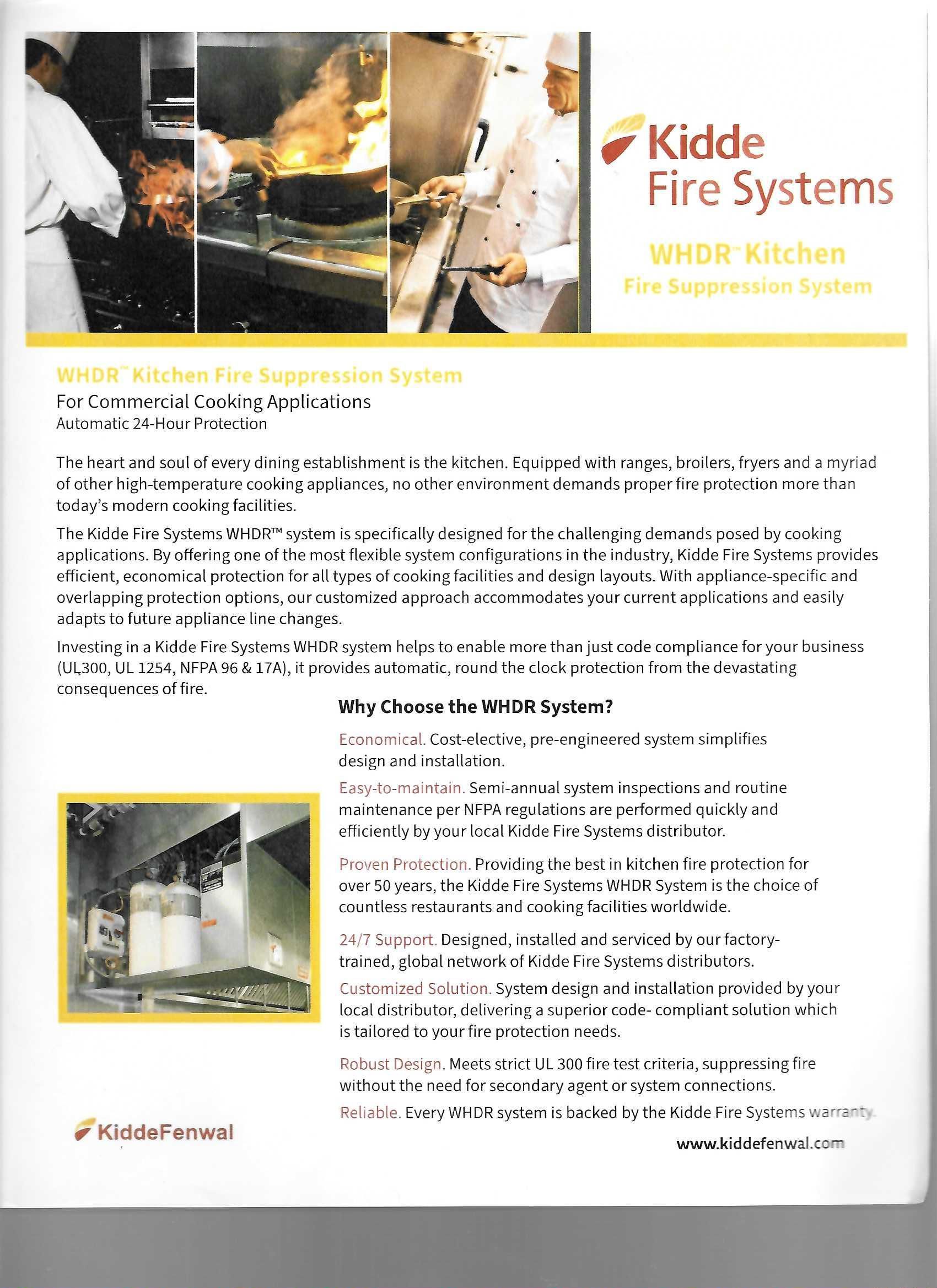
Grease fires in commercial kitchens reach temperatures that water cannot control and spread rapidly across cooking surfaces, making specialized suppression systems mandatory for any facility using fryers, griddles, or ranges. Imperial Fire & Safety, Inc. designs, installs, inspects, and maintains UL 300 wet chemical systems throughout Poughkeepsie that discharge automatically when fusible links melt under high heat or manually when kitchen staff activate pull stations during an emergency. The wet chemical agent creates a barrier over burning oil, cutting off oxygen and preventing re-ignition while cooling the surface, which differs fundamentally from older dry chemical systems that could not handle modern vegetable-based cooking oils.
These systems integrate with commercial kitchen hoods, positioning nozzles above each protected appliance to deliver agent directly onto cooking surfaces. Detection components monitor temperature continuously, triggering discharge before flames spread beyond the appliance zone, and the system simultaneously shuts off gas or electrical supply to cooking equipment to eliminate the fuel source. Imperial services restaurants, school cafeterias, food trucks, concession trailers, church kitchens, and community facilities where commercial cooking equipment operates, ensuring coverage matches the appliance layout and meets NFPA 17A, NFPA 96, and UL 300 standards.
Arrange a kitchen evaluation to confirm suppression coverage matches your current appliance configuration and cooking methods.
How Kitchen Suppression Systems Address Fire Hazards
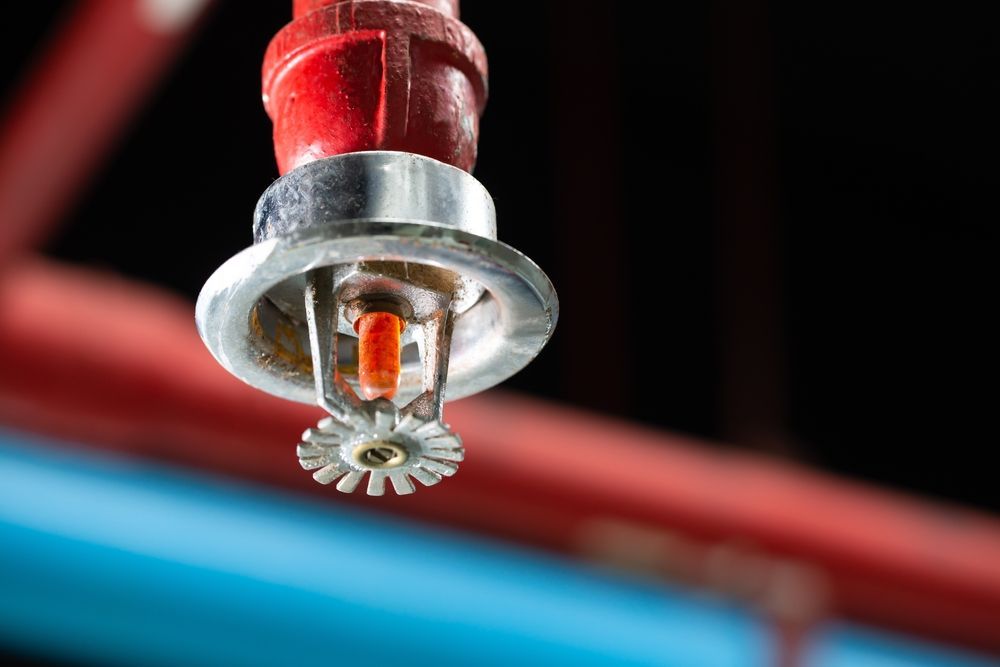
Semiannual inspections involve replacing fusible links that degrade from continuous heat exposure, testing manual pull stations to verify they trigger discharge, inspecting nozzles for grease buildup or damage, checking piping connections for leaks, and examining the agent cylinder or cartridge to confirm it remains properly pressurized. Technicians also service the Class K extinguisher mounted near the hood, since code requires a backup extinguisher rated for cooking oil fires within reach of kitchen staff. Protective caps on nozzles get replaced when damaged to prevent grease from entering the discharge openings, which would block agent flow during activation.
After maintenance, you see new fusible links installed at each detection point, updated inspection tags documenting the service date, and confirmation that pull stations activate properly without excessive force or mechanical binding. Kitchens with current system maintenance avoid violations during health department and fire marshal inspections, and operators receive documentation proving compliance with semiannual service requirements. Systems that discharge during a fire event require immediate recharging, which includes replacing the agent supply, installing new fusible links, resetting the manual pull station, and testing all components before the kitchen returns to operation.
System design for new construction or kitchen remodels requires coordinating with architects, contractors, and kitchen equipment suppliers to position nozzles correctly above each cooking appliance and integrate detection components with the hood ventilation system. Fire alarm integration triggers building-wide notification when the suppression system activates, alerting occupants and emergency responders while the system handles the fire, and gas valve shutoffs must be located where kitchen staff can access them for routine maintenance without creating operational disruptions.
Common Questions About This Service
Kitchen operators and facility managers often ask what triggers suppression system activation and how quickly kitchens can resume operation after discharge.
What happens during the required semiannual inspection?
Technicians replace all fusible links regardless of visible condition because continuous heat exposure degrades the calibrated melting point, test manual pull stations to verify they trigger discharge, inspect nozzles and piping for damage or blockage, check agent cylinder pressure, and service the Class K extinguisher mounted near the hood.
How does the system know when to discharge?
Fusible links positioned in the hood airstream melt when exhaust temperatures exceed the rated threshold, typically around 360 degrees Fahrenheit, which releases a mechanical trigger that opens the agent cylinder valve and simultaneously shuts off fuel supply to cooking equipment.
Why do fusible links need replacement every six months?
Links degrade from continuous exposure to cooking heat even when temperatures never reach the activation point, and degraded links may fail to melt quickly enough during a fire or may melt prematurely during normal high-heat cooking, causing unnecessary discharge.
What determines the correct number of nozzles?
System design places nozzles above each protected appliance based on cooking surface area, hood configuration, and appliance type, with fryers and griddles often requiring multiple nozzles to ensure complete coverage across the entire cooking surface.
Can existing systems protect newly added cooking equipment?
Adding appliances under an existing hood usually requires installing additional nozzles, upgrading to a larger agent cylinder, and repositioning detection components to cover the expanded cooking area, which is why Poughkeepsie facilities planning kitchen expansions should request system evaluations before purchasing new equipment.
Imperial Fire & Safety, Inc. schedules semiannual maintenance visits that keep systems compliant and ready to activate when needed, tracking service dates and component replacement to prevent missed inspections. Contact Imperial to establish a maintenance program for your commercial kitchen suppression system.