
The Equipment That Stops Small Fires
Fire Extinguishers in Poughkeepsie for facilities with multiple occupancy types and changing fire hazards
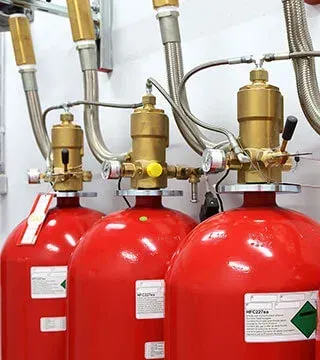
Imperial Fire & Safety, Inc. handles every stage of a fire extinguisher's lifecycle across Poughkeepsie, from selecting the correct unit based on building occupancy through scheduled inspections, recharging after discharge, hydrostatic testing, and full equipment replacement. You need coverage that matches the specific hazards in your building, not just generic units placed according to rough spacing estimates. Technicians evaluate your entire facility to determine where Class A, B, C, D, or K extinguishers belong, factoring in travel distance requirements, mounting height standards, and the type of combustible materials present in each zone.
Different fire hazards require different extinguishing agents, and a building with kitchens, electrical equipment, and ordinary combustibles will need multiple extinguisher types positioned correctly. Technicians verify that each extinguisher matches the fire class it could encounter, that quantities meet NFPA 10 requirements, and that placement allows occupants to reach an appropriate unit within the maximum travel distance for that hazard class. Imperial sells, installs, inspects, recharges, repairs, and hydrostatically tests all extinguisher types and sizes, including large industrial wheeled units used in manufacturing and warehouse environments.
Schedule a facility evaluation to verify extinguisher type, quantity, and placement meet current code requirements.
What Proper Extinguisher Service Requires
Annual inspections involve checking the pressure gauge, inspecting the hose and nozzle for damage, verifying the pull pin and tamper seal are intact, and confirming the unit remains accessible and properly mounted. Technicians also determine whether hydrostatic testing is due based on the extinguisher type and last test date, since pressure vessels require periodic testing to ensure the cylinder can safely hold the rated charge. Recharging happens after any discharge, even partial, because an extinguisher loses pressure once the seal breaks and cannot be relied upon until a certified technician refills and repressurizes the unit.
After service, you see updated inspection tags with the current date, confirmation that pressure gauges read in the green zone, and verification that mounting hardware holds units securely at the correct height. Buildings with updated extinguisher coverage no longer have gaps where occupants must travel excessive distances to reach appropriate equipment, and facility managers receive documentation showing compliance with NFPA 10 and local fire codes. Imperial Fire & Safety, Inc. works with commercial buildings, schools, industrial facilities, restaurants, apartment complexes, and property managers who need scheduled maintenance programs that prevent violations during fire inspections.
Technicians evaluate the entire building during service visits, not just the extinguishers already in place, to identify areas where additional units are required or where existing equipment no longer matches the current hazard. New construction and renovation projects require coordination with architects and contractors to determine proper extinguisher placement before walls close, ensuring that coverage integrates with the building layout rather than being added as an afterthought. Wall brackets, vehicle brackets, surface-mounted cabinets, and portable stands provide mounting options depending on the environment and whether the extinguisher needs weather protection or theft deterrence.
Questions About Fire Extinguisher Service
Property managers and facility operators in Poughkeepsie often ask how inspection schedules work and what determines whether an extinguisher needs replacement or just recharging.
What determines which extinguisher type belongs in each area?
Technicians assess the fire hazards present, including ordinary combustibles like wood and paper requiring Class A, flammable liquids needing Class B, energized electrical equipment needing Class C, combustible metals in manufacturing requiring Class D, and commercial cooking oils requiring Class K extinguishers with wet chemical agents.
How often do extinguishers need hydrostatic testing?
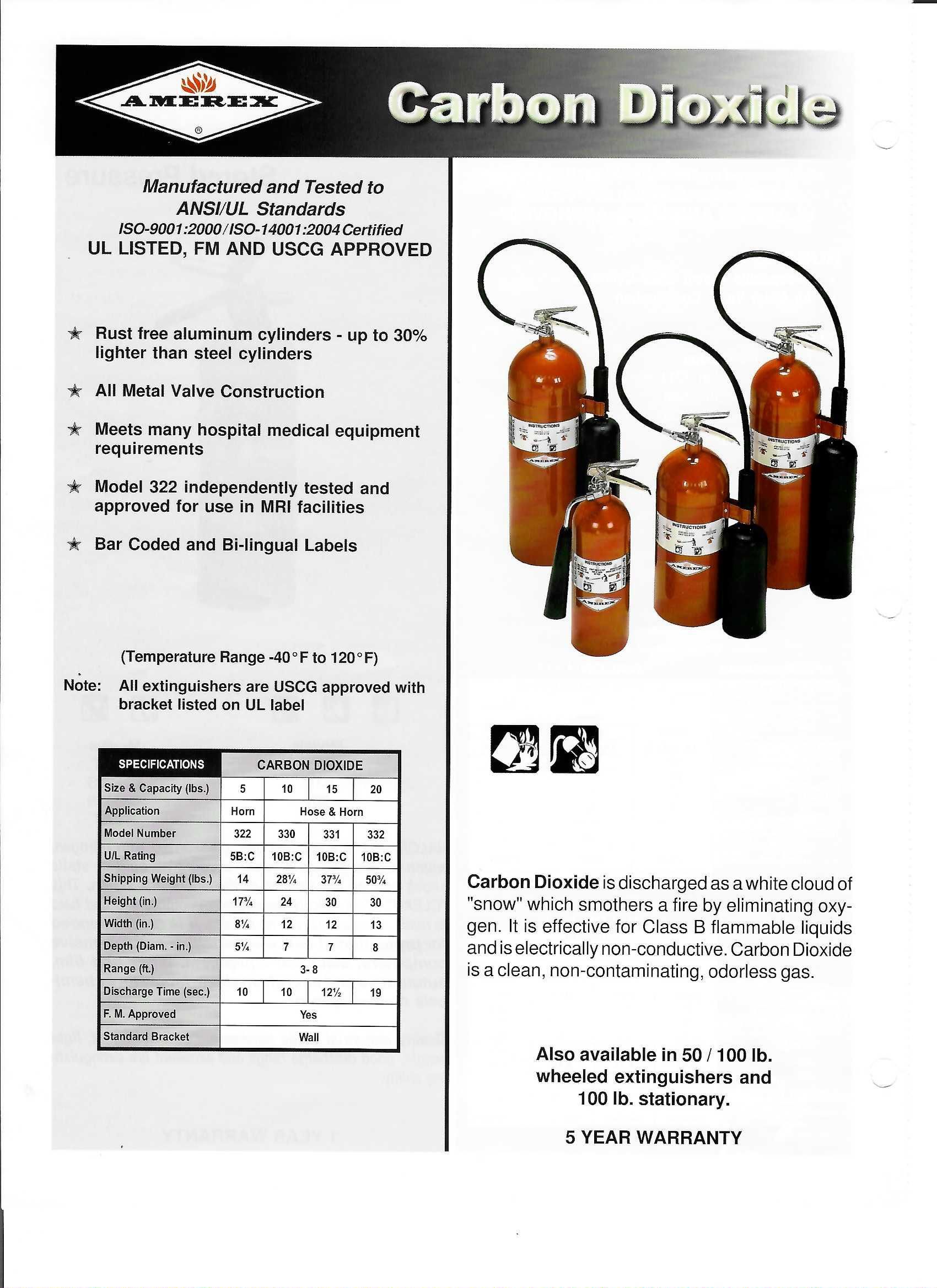
Testing intervals depend on the extinguisher type, with most dry chemical units requiring hydrostatic testing every twelve years, water-based extinguishers every five years, and carbon dioxide units every five years to verify the pressure vessel remains structurally sound.
What happens during an annual inspection?
Technicians verify the pressure gauge reads correctly, check that the pull pin and tamper seal remain intact, inspect the hose and nozzle for cracks or blockages, confirm the unit is properly mounted and accessible, and attach a new inspection tag showing the service date.
areas.
Why choose American-made extinguishers?
Domestic manufacturing ensures consistent quality control, easier access to replacement parts, and reliable warranty support, which matters when extinguishers remain in service for a decade or longer and need periodic component replacement.
When should a facility schedule extinguisher service?
Annual inspections keep equipment compliant and functional, but buildings also need service after any discharge, when adding new occupancy areas, after failed fire inspections, or when remodeling changes the layout and hazard types present.
Imperial Fire & Safety, Inc. provides inspection programs that track service dates across all your locations, ensuring extinguishers receive timely maintenance without requiring you to monitor individual due dates. Request a consultation to establish a maintenance schedule that covers your entire extinguisher inventory.