
Lighting That Operates When Power Fails
Exit & Emergency Lighting in Poughkeepsie for buildings requiring illuminated egress paths during power outages and emergencies
Emergency lighting systems provide illumination during power failures, allowing building occupants to locate exits and navigate egress routes when normal lighting goes dark. Imperial Fire & Safety, Inc. installs, tests, repairs, and maintains emergency lights and illuminated exit signs across Poughkeepsie facilities, verifying that battery backup systems hold sufficient charge to meet the required 90-minute runtime and that fixtures provide adequate coverage along corridors, stairwells, and exit pathways. You need functional emergency lighting not just for code compliance but because occupants in an unfamiliar building during a nighttime power outage cannot safely evacuate without illuminated signs and pathway lighting showing them where to go.
Emergency fixtures contain internal batteries that charge continuously when building power is available and switch to battery operation instantly when power fails, eliminating the delay associated with generator startup. Testing requirements include monthly 30-second functional checks to verify batteries hold a charge and annual 90-minute discharge tests to confirm batteries can sustain full illumination for the code-required duration. Self-testing emergency lighting units perform these checks automatically and document results electronically, reducing maintenance labor while ensuring tests happen on schedule.
Schedule an annual discharge test to verify your emergency lighting meets NFPA 101 runtime requirements.
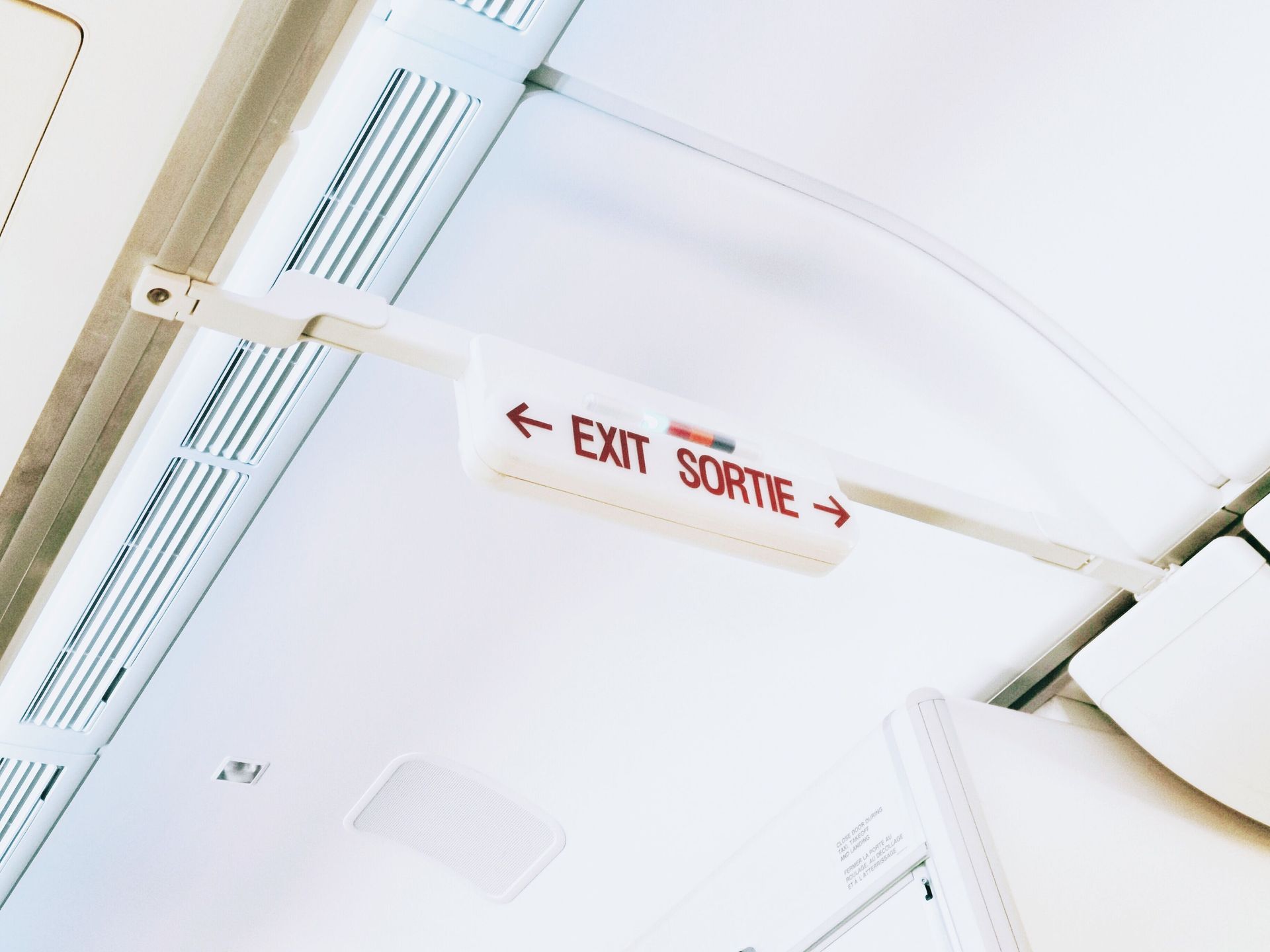
What Changes After Emergency Lighting Service Completes
Service includes replacing failed batteries that no longer hold adequate charge, installing new lamps when bulbs burn out or dim below acceptable output, repairing charging circuits that prevent batteries from reaching full charge, and upgrading older incandescent fixtures to LED technology that reduces energy consumption and extends lamp life. Technicians evaluate fixture placement throughout the building to identify areas where coverage falls short, such as long corridors, complex intersections, or stairwells where shadows block visibility, and they verify that exit signs remain illuminated and clearly visible from all approach angles.
After testing and repairs, you see fixtures that illuminate immediately when normal power cuts off, exit signs with bright, evenly lit letters visible across long distances, and documentation showing each fixture met the 90-minute discharge requirement without voltage drop or dimming. Buildings with current emergency lighting avoid citations during fire inspections and provide safe egress paths that protect occupants during actual emergencies, whether caused by storms, equipment failures, or fire events requiring power shutoff.
Aging fixtures with corroded battery terminals, failed charging boards, or obsolete lamp types often cost more to repair than replace, making LED upgrades and self-testing units a practical investment that reduces long-term maintenance. Imperial Fire & Safety, Inc. services schools, offices, warehouses, restaurants, apartment buildings, healthcare facilities, and industrial buildings where emergency lighting coverage must adapt as interior layouts change over time.
Answers to Frequent Service Questions
Facility managers in Poughkeepsie typically want to know how often batteries need replacement and whether self-testing units eliminate manual inspection requirements.
What happens during the annual 90-minute discharge test?
Technicians disconnect normal power to each fixture, allow the battery to power the lamp for the full 90-minute period, and monitor light output to confirm the fixture maintains adequate illumination without dimming significantly as battery voltage drops.
How long do emergency light batteries last?
Most sealed lead-acid batteries in emergency fixtures need replacement every four to six years depending on temperature conditions and how often the building experiences power interruptions that cycle the batteries, with frequent discharges shortening overall lifespan.
Why upgrade to self-testing emergency lights?
Self-testing units perform monthly and annual tests automatically, store results in internal memory, and indicate via LED status lights when batteries fail or runtime drops below code minimums, which eliminates the labor cost of manually testing each fixture and reduces the risk of missed tests.
What determines proper emergency light placement?
NFPA 101 requires illumination along egress paths at an average of one footcandle measured at floor level, which means fixture placement depends on room geometry, ceiling height, and obstructions that create shadows in corridors and exit routes.
When should fixtures receive emergency repairs?
Any fixture that fails to illuminate during monthly testing, shows a low battery indicator, or does not maintain brightness during annual discharge testing needs immediate service to restore functionality before an actual emergency occurs.
Imperial Fire & Safety, Inc. tracks testing schedules across multiple properties and provides documentation that satisfies fire marshal inspection requirements, ensuring emergency lighting remains code-compliant. Request service to address failed fixtures or establish an annual testing program.