Introduction to Kitchen Exhaust Systems — Safety and Performance for Commercial Kitchens
Imperial Fire & Safety, Inc supplies and installs kitchen exhaust systems that control heat, grease vapors, smoke, and odors while ensuring fire safety and code compliance.
Why Proper Kitchen Exhaust Design Matters
Kitchen exhaust systems manage airborne contaminants and grease that, if left unchecked, increase the risk of fire and nuisance odors.
NFPA 96 sets clear standards for ventilation control and fire protection of commercial cooking operations. Properly engineered systems ensure capture and containment of cooking effluents, safe removal of grease-laden vapors, and integration with suppression systems to quickly extinguish grease fires when they occur. Poorly designed or installed systems invite frequent cleaning requirements, reduced capture efficiency, and elevated fire risk.
Components We Supply and Install
Type I Hoods
Type II Hoods
Exhaust Fans & Make-Up Air
Ductwork
Grease Filters & Baffles
Grease Duct Protection
Fire Suppression Integration
Design Considerations and Best Practices
Capture Efficiency
The hood must be sized and positioned to capture the effluent stream from cooking surfaces. We analyze appliance heat output, placement, and adjacent airflow to ensure capture efficiency.
Exhaust Volume and Airflow Balance
Exhaust and make-up air must be balanced to avoid negative pressure that can interfere with kitchen operations or the function of suppression systems.
Material Selection and Access
Stainless steel hoods and smooth duct interiors reduce grease accumulation. Access panels for cleaning and inspection must be included with safe access paths.
Code Compliance
Designs follow NFPA 96 and local code requirements for clearances, construction, and integration of fire suppression systems. We prepare drawings and documentation to ease permitting.
Installation Process
01
Site Survey and Layout
We perform a thorough on-site evaluation including appliance inventory, kitchen workflow, and ventilation constraints.
02
Engineering
Detailed drawings specify hood dimensions, duct routing, fan selection, and suppression integration points.
03
Fabrication & Installation
Our technicians install hoods, ductwork, fans, and support systems with careful sealing and vibration control.
04
Commissioning and Testing
We verify airflow, fan operation, make-up air coordination, and suppression system actuation points to confirm system performance.
05
Documentation
Staff receive guidance on system operation and cleaning schedules to maintain code compliance.
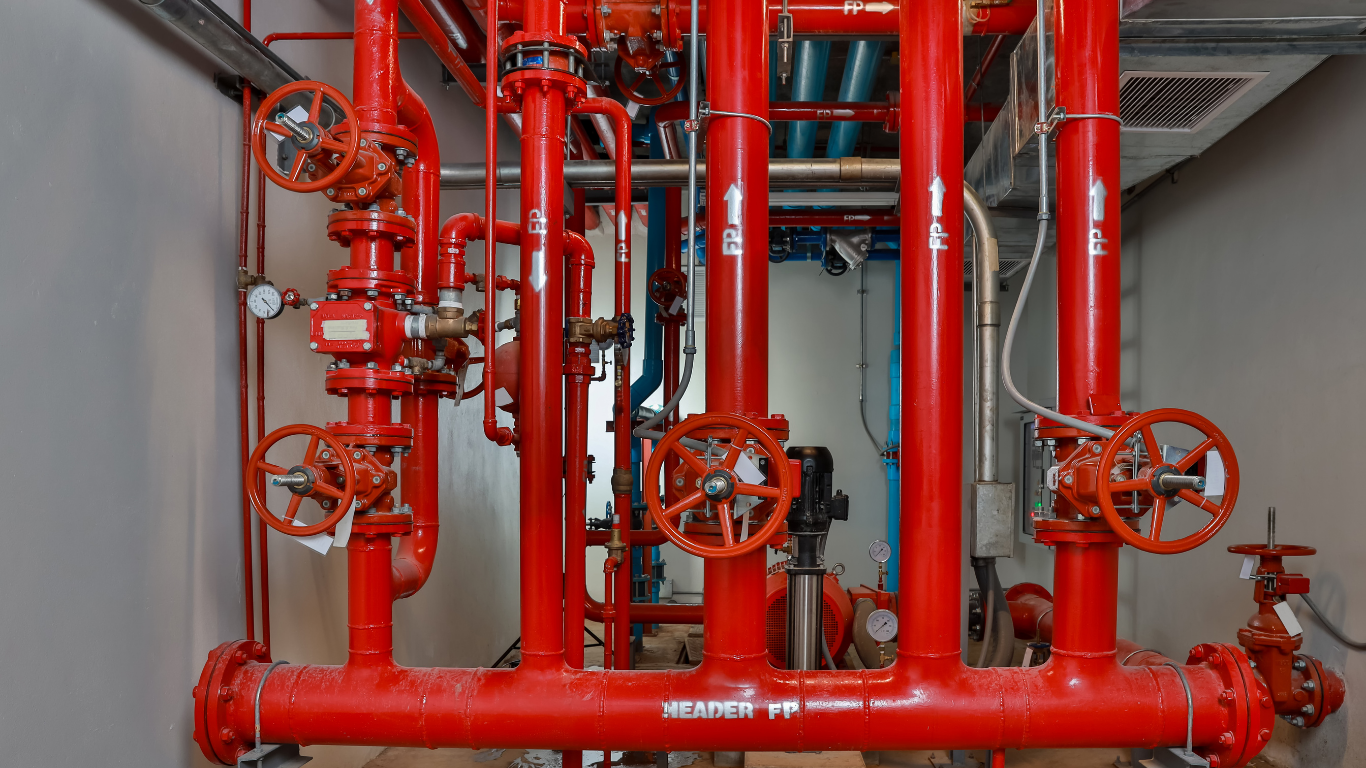
Integration with Fire Suppression Systems
Automatic wet chemical suppression systems are precisely positioned to extinguish fires in appliances and ducts. Exhaust fans and makeup air dampers interlock with suppression activation to control smoke and heat effectively.
Frequently Asked Questions
How often should my kitchen hood be cleaned?
Cleaning frequency varies by the volume and type of cooking. High-volume operations often require daily or weekly cleaning; moderate to low-volume kitchens may require quarterly or semi-annual cleaning. We provide a recommended schedule based on your operation.
Do you handle permits and inspections?
Yes. We prepare documentation for permits and coordinate with local authorities for inspections and approvals.
Can you retrofit an existing hood or duct system?
Yes. We assess existing systems for code compliance and can perform retrofits to improve capture efficiency, replace fans, or add suppression integration.
What is the usual downtime for installation?
Downtime depends on the complexity of the installation. For simple hood replacements, installation can often be staged during off-hours to minimize disruption. Full kitchen exhaust system replacements or ductwork changes may require more extensive scheduling — we provide project timelines during the proposal stage.
Contact Us — Kitchen Exhaust Systems
Ready to improve safety and performance in your commercial kitchen? Contact our team to discuss your kitchen exhaust system needs, request a quote, or schedule a consultation. We’re here to help you design and install a reliable, code-compliant solution.